Anthropic's 'Dreaming' for AI Agents: What It Means for Business Automation
18 May 2026

On May 6, 2026, Anthropic introduced "dreaming" for its Claude Managed Agents, a research-preview feature that reviews past sessions and memory stores between tasks, extracts recurring patterns, and curates memory so agents improve over time without human retraining. Early customers report meaningful gains: legal AI company Harvey saw task completion rates rise roughly 6x, and medical document review firm Wisedocs cut review time by 50%.
[Source: VentureBeat]
Why This Matters
Agent memory is becoming a competitive feature, not a research curiosity. Until now, most production agents started each task with the same baseline behavior, regardless of how many similar tasks they had handled before. Dreaming gives agents a structured way to accumulate institutional knowledge across runs, which is the missing piece for long-horizon enterprise workflows.
The reported gains are large enough to change procurement decisions. A 6x lift in task completion is not a marginal optimization. If reproducible at other customers, it shifts the economics of AI agents for use cases like contract review, claims processing, and customer support triage where reliability has been the blocker.
This widens Anthropic's lead in agentic workloads. Combined with Claude's existing strengths in long-context reasoning and instruction following, dreaming positions Anthropic's Managed Agents as a serious enterprise platform rather than a per-call API. Expect OpenAI and the open-source ecosystem to respond within months.
Our Take
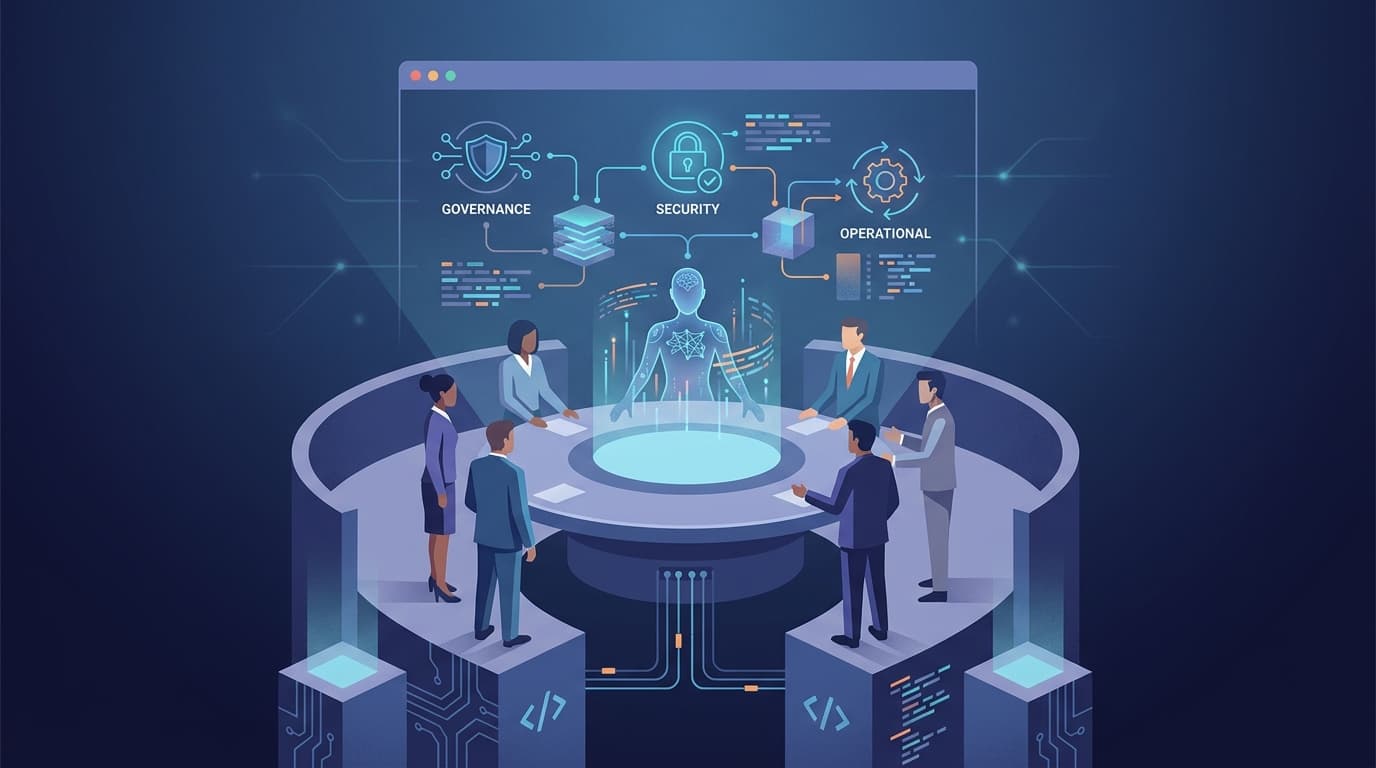
Self-improving agents sound impressive, but the business value depends entirely on how the curated memory is governed. Who reviews what the agent has "learned"? How do you roll back a pattern the agent picked up incorrectly? How does the agent's memory interact with permissions, audit trails, and GDPR's right to erasure? These questions are not yet fully answered, and businesses deploying dreaming in regulated contexts will need to build their own oversight layer around it.
For most European businesses, the right move is not to wait for these questions to settle. Start prototyping agentic workflows now on simpler use cases, get familiar with the operational patterns, and treat memory-enabled agents as the natural next step rather than a separate project. The teams that already have AI agents in production will adopt dreaming as an incremental upgrade. The teams that have not started will find themselves trying to catch up on two fronts at once.
If you are exploring where AI agents fit in your operations, our AI agent development practice helps businesses move from concept to production-ready deployments with the governance and observability that enterprise use requires.