Google AI Researchers Leave for Anthropic: What It Means for AI Buyers
29 June 2026

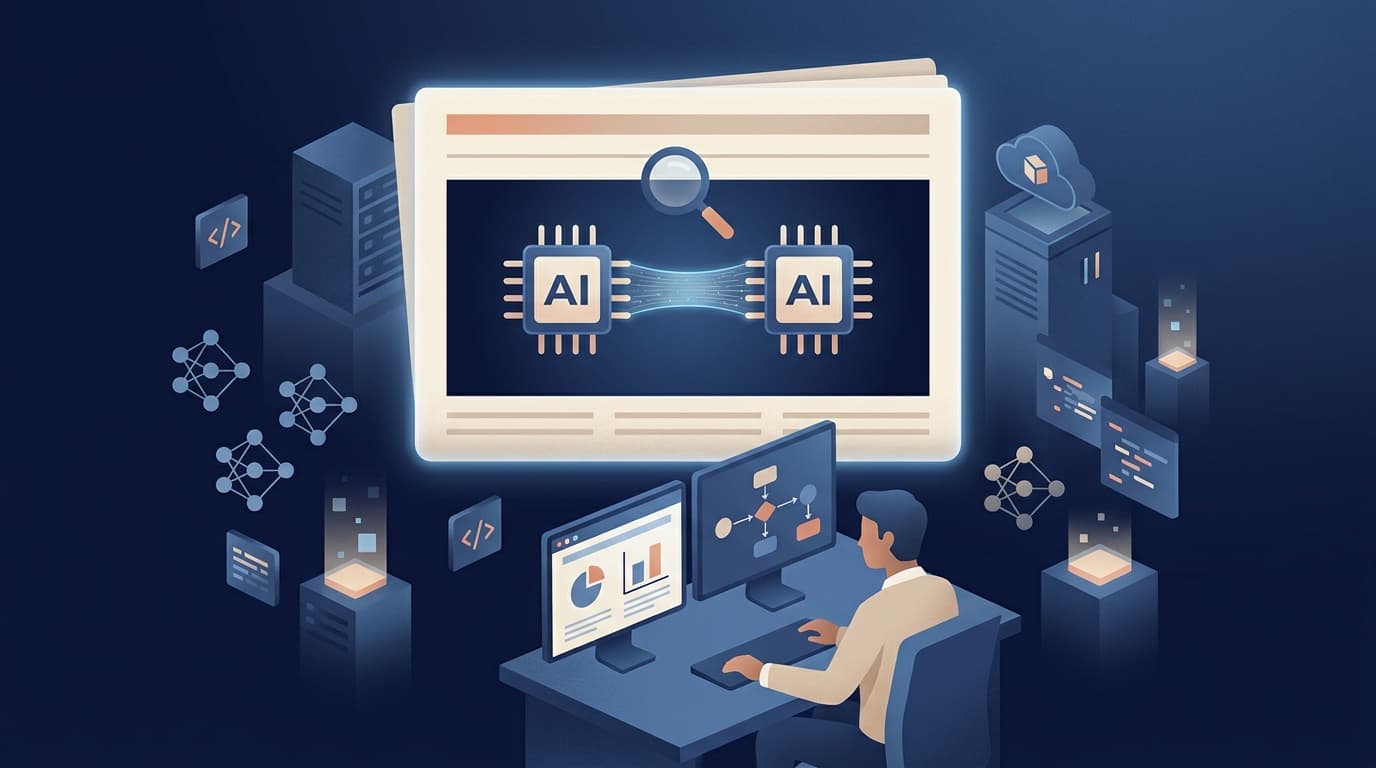
Google is set to lose two more high-profile AI researchers, Jonas Adler and Alexander Pritzel, both viewed internally as key contributors to its Gemini model, to rival Anthropic. They follow Nobel laureate John Jumper, who is also heading to Anthropic, and Noam Shazeer, who left for OpenAI. The steady outflow of senior talent from one of the best-funded labs in the world is becoming a pattern rather than a coincidence.
[Source: TechCrunch]
Why This Matters
Model capability is tied to people, not just compute. The researchers behind a frontier model carry know-how that moves with them. When the talent reshuffles, the relative strength of competing models can shift faster than vendor roadmaps suggest.
Vendor leadership is not permanent. Whoever has the best model today may not hold that position in twelve months. A business that has hardwired its product to one provider inherits that volatility.
Competition keeps prices and quality moving. Talent flowing to Anthropic and OpenAI keeps the frontier contested, which is good for buyers. It also means the "obvious" choice of model is a moving target worth revisiting.
Our Take
For most businesses, the lesson here is not which lab is winning the talent war. It is that betting your software on a single AI vendor is a strategic risk, not just a technical one. The leaders change, pricing changes, and capabilities leapfrog each other quarter by quarter.
The practical hedge is abstraction. Build your AI features behind a provider-agnostic layer so you can swap or mix models as the landscape shifts, rather than rewriting your product every time the leaderboard moves. We covered how to think about this in our guide to choosing between Claude, GPT, and open-source LLMs, and the same flexibility protects you from exactly this kind of churn.
If your roadmap depends on AI and you want an architecture that stays resilient as vendors rise and fall, our IT consulting and advisory team can help. Start the conversation and let's future-proof your AI strategy.
Related reading: