OpenAI And Anthropic Bring Cyber-Tuned AI To The EU: What It Means For European Security Teams
8 June 2026

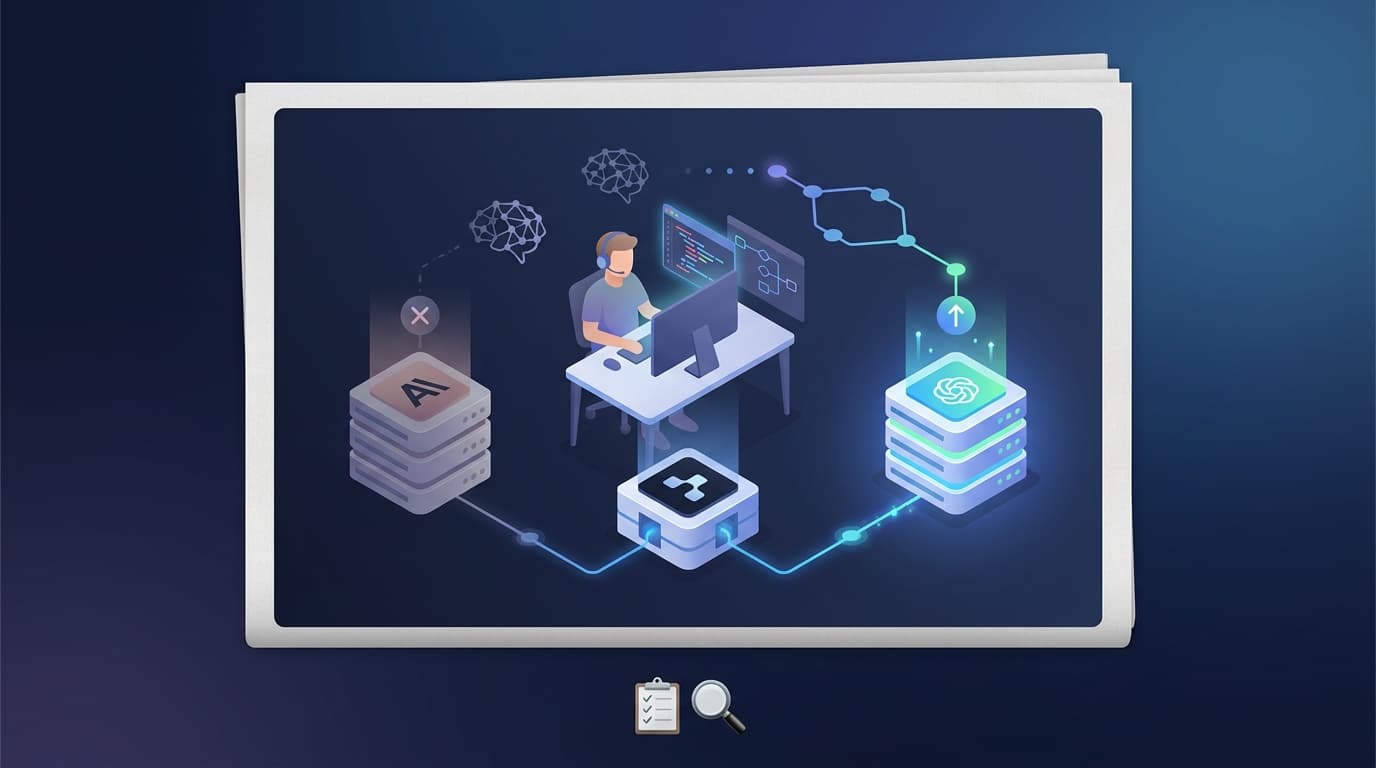
OpenAI announced an EU Cyber Action Plan that brings GPT-5.5-Cyber, its cybersecurity-tuned frontier model, to vetted European defenders, businesses, governments, and EU institutions including the EU AI Office. Days later, on June 1, 2026, Anthropic agreed to give the EU cybersecurity agency ENISA access to Claude Mythos through Project Glasswing, making ENISA the first EU institution in the program. Both models reduce safety classifier refusals for approved security work such as vulnerability research, malware analysis, and patch validation while keeping hard limits on offensive actions in place.
[Source: CNBC]
Why This Matters
Europe gets frontier cyber AI on its own terms. Until now, the most permissive cyber capabilities from US labs have been available primarily to American security teams. The EU Cyber Action Plan is the first program with explicit access for European businesses, agencies, and institutions, with vetting handled in Europe. That changes the conversation from "we cannot use these tools because of jurisdiction" to "we can, under defined controls."
Vendor-managed access is the new compliance pattern. Both OpenAI and Anthropic are gating access through trusted-defender programs that require organisational attestation and, from June 1, phishing-resistant single sign-on for OpenAI's most permissive cyber tier. This is closer to a defence procurement model than a typical SaaS sign-up. Internal security teams that want to use these tools will need to handle the attestation, the SSO posture, and the audit logging that comes with it.
Cyber is the first real test case for EU-aligned model access. If the trusted-defender model works for OpenAI and Anthropic on cyber, expect similar gating to appear for finance, healthcare, and legal use cases over the next year. EU institutions are clearly comfortable being involved in the access decision when the trade-off is access to frontier capability under known controls.
Our Take
For European businesses with internal security functions, this is genuinely useful news, but it does not change the day-to-day stack tomorrow. Vetting is selective, and the most valuable workflows (vulnerability research, malware analysis, reverse engineering) still need a security team capable of using them responsibly. The real upside is that the tools your defenders read about on US security blogs are now reachable from the EU under a clear access pathway.
The practical move for security and engineering leaders is to find out whether your organisation qualifies for either program and what attestation you would need. For most mid-market companies the answer in the short term will be "not yet, but our managed security partner does", which itself is a useful filter when picking suppliers. Underneath all of this sits the same question we covered in our guide on GDPR-aware AI patterns for LLMs without leaking customer data: even with a trusted-defender contract, what personal data, telemetry, and code goes into the prompts matters, and your DPO will still want to see the redaction and retention story.
Cyber-tuned AI in the EU is not a silver bullet, but it is one more piece of the European AI stack snapping into place. For businesses planning AI initiatives in regulated sectors, get AI governance guidance →.
Related reading: