Fireworks AI Raises $1.5B on Specialized Models: What It Means for Businesses
20 July 2026

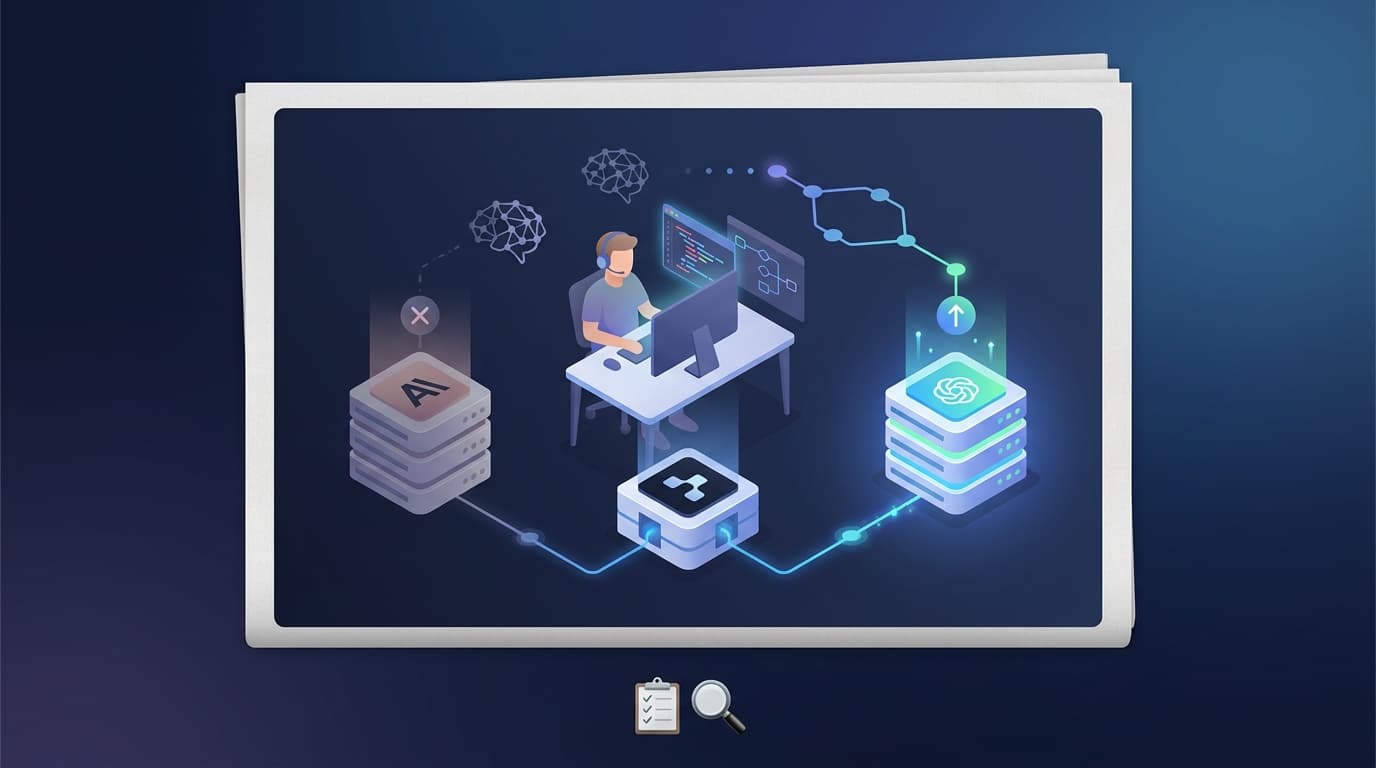
Fireworks AI raised a $1.505 billion Series D at a $17.5 billion valuation, one of the largest AI rounds of the year. The number that matters is not the headline figure. It is that more than 95% of the tokens served on the Fireworks platform now come from models specialized on customers' own proprietary data, rather than general-purpose frontier models.
[Source: BusinessWire]
Why This Matters
The market is shifting from biggest model to best-fit model. Investors just put over a billion dollars behind the idea that specialized, tuned models beat giant general ones for real production work. That is a strong signal about where value is moving.
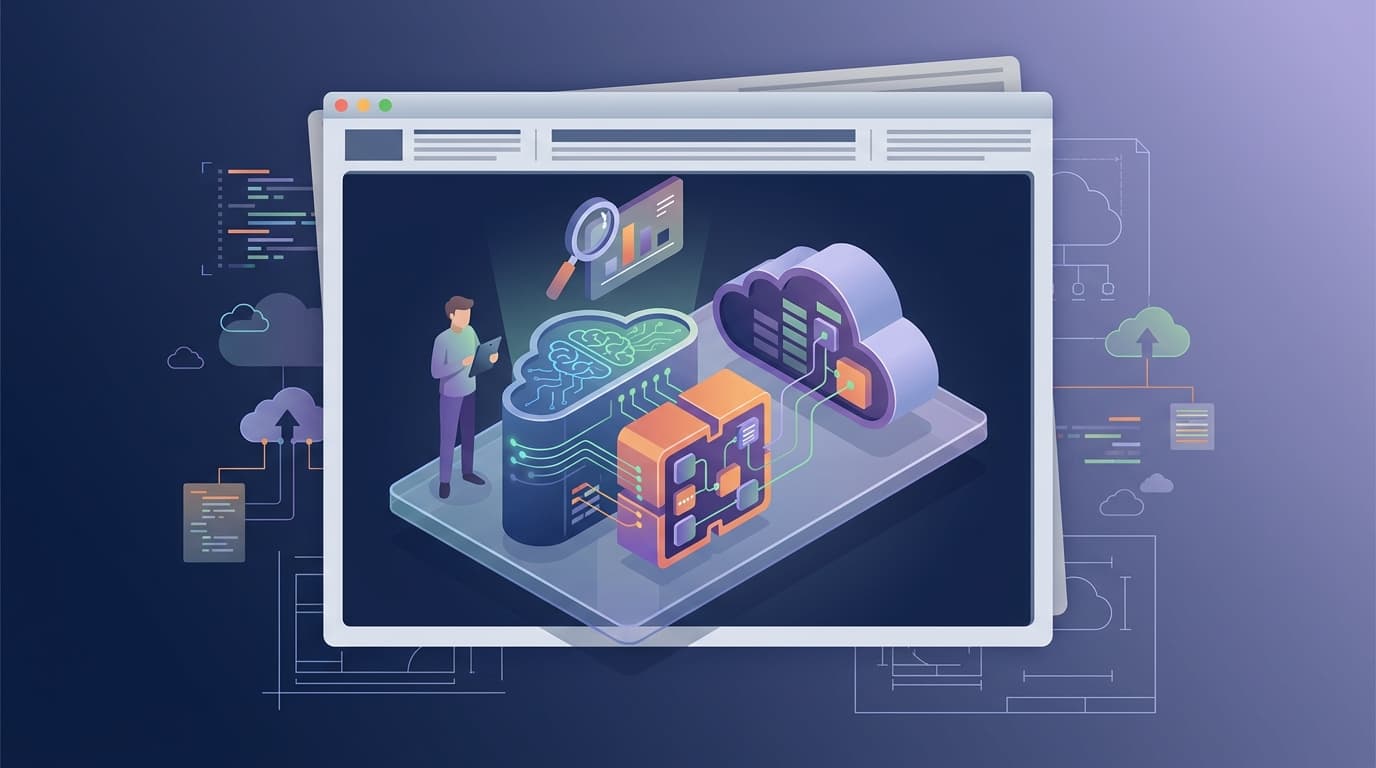
Your data is the differentiator, not the base model. A smaller model tuned on your documents, tickets, or transactions often outperforms a frontier model on your specific task, at a fraction of the cost and latency.
Cost and speed now decide deployments. Serving over 40 trillion tokens a day, Fireworks' growth shows that at production scale, efficiency matters as much as raw capability. Businesses feel this on their monthly bill.
Our Take
This round confirms a trend we have been advising clients on for a while. The instinct to reach for the largest, most expensive model for every task is usually wrong. For a well-defined job, classifying support tickets, extracting fields from documents, answering questions over your knowledge base, a smaller specialized model grounded in your own data delivers better accuracy, lower cost, and faster responses.
You do not need a billion-dollar platform to benefit from this. The same principle applies whether you fine-tune an open-source model, ground a mid-sized model with retrieval over your data, or route different tasks to different models. What matters is matching the tool to the job rather than defaulting to the biggest option. We covered the practical version of this in our guide on choosing between Claude, GPT, and open-source LLMs for European businesses, and it underpins how we approach building enterprise RAG systems.
The takeaway for European SMEs is encouraging: specialized intelligence is now within reach without frontier-model budgets. The winners will be the businesses that turn their proprietary data into an advantage.
Related reading: