GitHub AI Scan Reaches Pull Requests: What Teams Should Do
19 October 2026
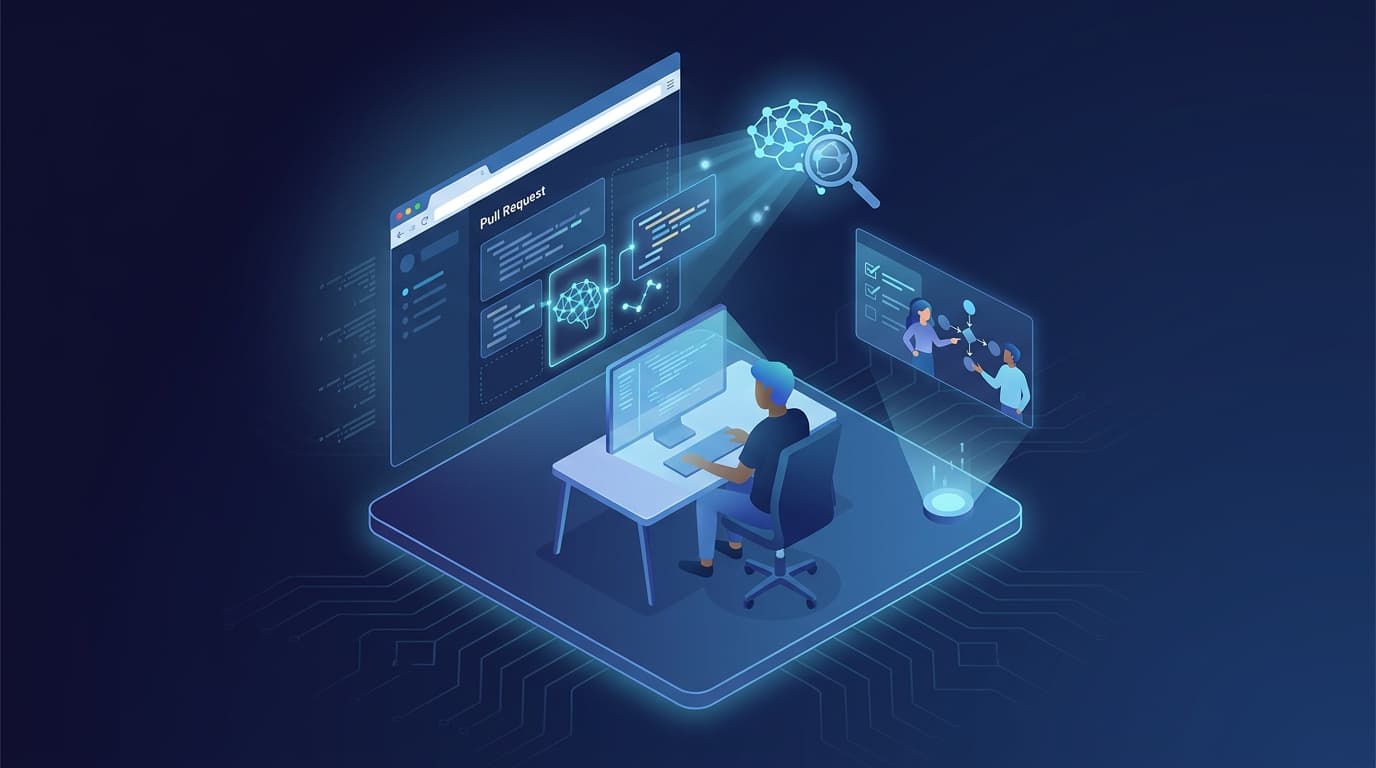
GitHub has made AI Scan for pull requests generally available. The feature places AI-generated security findings alongside CodeQL results in pull-request conversations and file changes, with explanations of the risk and suggested autofixes.
[Source: GitHub Changelog]
Why This Matters
Security feedback can arrive earlier. A finding attached to the pull request gives reviewers a chance to discuss a possible weakness while the code and its intent are fresh. That is more useful than discovering the same issue after release.
Review capacity still matters. More findings do not automatically produce safer software. Teams need a way to validate relevance, set ownership, and track whether a suggested fix preserves the intended behaviour.
AI-generated code needs stronger guardrails. As development teams use agents for broader changes, the speed of code creation rises. Automated scanning can help reviewers focus on risk, but it cannot replace architecture decisions, threat modelling, or accountability.
Our Take
Treat AI Scan as an additional reviewer, not an approval gate. Start by running it on a defined set of repositories, then measure the rate of actionable findings, false positives, remediation time, and repeat patterns. Give developers a simple triage policy: who validates a finding, when an autofix can be used, and when a security owner must review it.
The most useful outcome may be the patterns it reveals. Repeated findings around input handling, authentication, or secrets point to a gap in templates, tests, or engineering guidance. Fixing that root cause creates a more robust development process than resolving each alert in isolation.
Novemind helps teams build secure, scalable software delivery practices that keep human review focused where it matters. Learn more about our custom software solutions or contact us to review your development workflow.
Related reading: