OpenAI at UN Security Council: Why Governance Is Operational
21 September 2026
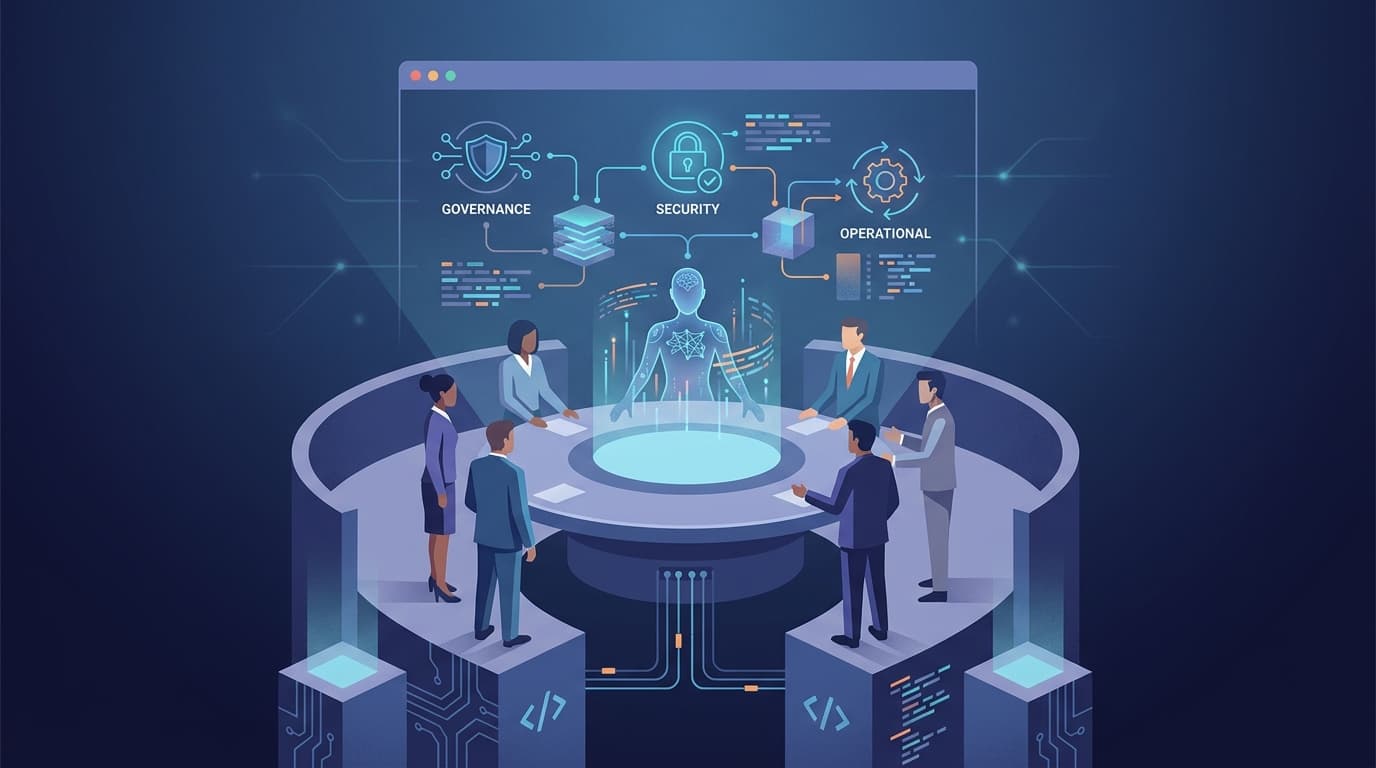
OpenAI chief executive Sam Altman is set to brief the United Nations Security Council during the annual gathering of world leaders in New York, Reuters reports. The meeting follows renewed calls from AI industry leaders for coordinated action on increasingly capable systems and international security.
[Source: Reuters]
Why This Matters
AI governance is moving beyond policy statements. Discussion at this level reinforces that capability, cybersecurity, and access controls are connected. Businesses using AI should make ownership and escalation routes clear before a workflow becomes critical.
The same controls protect ordinary operations. Scoped access, reliable logs, approval steps, and tested recovery are useful whether the system is an internal assistant or a customer-facing agent. They reduce avoidable errors today while making formal compliance easier tomorrow.
Uncertainty is not a reason to delay sensible safeguards. Rules will continue to evolve across regions. Teams can act now on stable principles: minimise data exposure, document decisions, measure performance, and keep people involved in high-impact actions.
Our Take
The practical takeaway for an SME is not to treat every AI tool as a security threat or to wait for a perfect regulatory picture. It is to put governance inside the workflow. Define what the AI may read, what it may recommend, what it may change, and when it must stop for a person.
Start with a narrow use case and a named business owner. Record the inputs, model output, tool calls, human decision, and final outcome. Review failure patterns with the people affected by the process. This makes the system more user-centred and gives the organisation evidence for improving it safely.
Provider guardrails are useful, but they cannot know your customer commitments, financial controls, or internal permissions. Our guide to GDPR-aware AI patterns covers the data-handling foundation, while AI evaluation for production agents explains how to measure behaviour over time. Novemind can help through AI agent development when you need a governed system that supports real operations.
Related reading: