Uber Faces Nearly $1 Billion Fine: Automation Governance Matters
24 August 2026
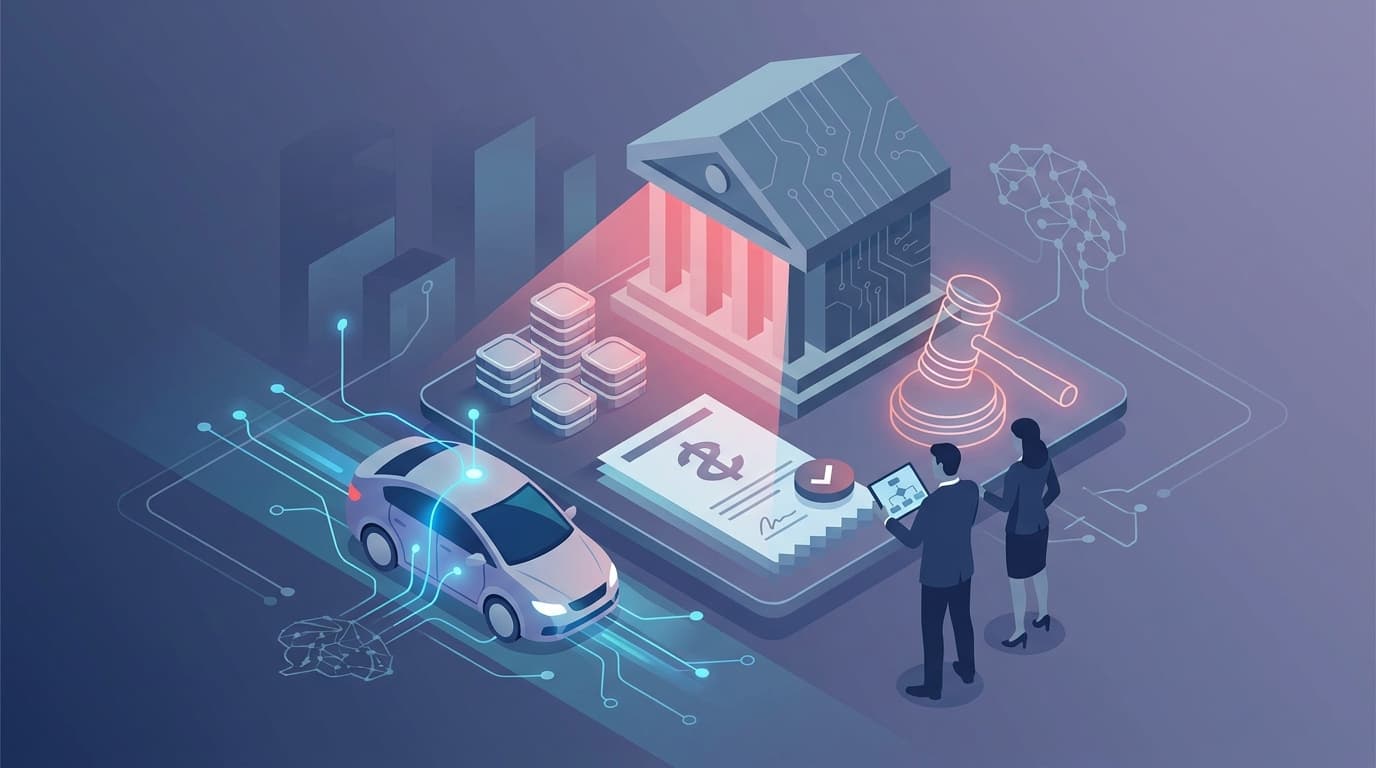
TechCrunch reported on 23 August that Uber faces a proposed fine of nearly $1 billion related to automated driver suspensions. The reported case concerns automated decisions with direct consequences for people who depend on the platform for work.
[Source: TechCrunch]
Why This Matters
Automation can create high-impact decisions. A workflow that flags an account, blocks a payment, rejects an application, or changes a customer’s access is not routine back-office automation. It can affect income, rights, and trust, so the business needs stronger controls than it would for a calendar reminder.
Accountability cannot be outsourced to a rule. Whether the decision uses an AI model, a score, or a conventional rules engine, someone must own the policy, monitor outcomes, and handle appeals. A technically functioning workflow can still produce an unacceptable business outcome.
Audit trails are a practical investment. Teams need to reconstruct what triggered a decision, what data was considered, which policy version applied, and how a person can challenge it. Those records improve operations even before a regulator asks for them.
Our Take
This is not an argument against automation. It is an argument for matching governance to impact. Most business automations are low risk and should be made faster, clearer, and more reliable. The threshold changes when software limits a person’s access, payment, employment opportunity, or essential service.
Start by mapping decisions, not just workflows. Identify which steps are informational, which make recommendations, and which take consequential action. For the last group, introduce a named owner, explainable rules or decision criteria, monitoring for error patterns, and a practical human review path. Test edge cases before rollout, then review outcomes as the business and data change.
For European organisations, these habits also support responsible AI adoption under a changing regulatory environment. Strong governance is part of user-centric design: it gives affected people a way to understand and correct a decision, while giving the business a durable operational record.
Talk to Novemind about process and technology design.
Related reading: